

Ferodo instruction on correct fitting of brake pads and caliper
Avoiding Noise Problems – Tips for Correct Assembly
The easiest way to avoid problems is to ensure that the brake pads and caliper are correctly assembled from the start. Following these extra instructions for reassembly should help avoid vibrations and the associated noise, and allow drivers a smooth comfortable ride.
Strip and clean all the caliper slides and pins.
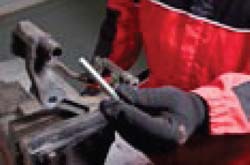
>> Emery paper can be used only on the caliper and pad abutments in the case of heavy rust or pollutants.
Note: if the caliper is not sliding easily, this can result in tapered pads or uneven wear within axle, which creates squeal and judder.
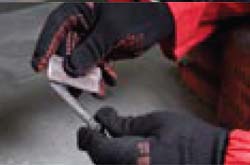
>> The pins must have the correct lubrication to ensure free movement and that the pin does not seize into the caliper body. Also check the condition of the slide pin rubber boots to stop water ingress.
Note: if the pins are not lubricated, the pins may seize, causing wear taper and resulting in noise issues.
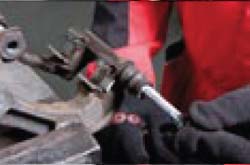
>> Check for free piston movement, and retract the piston fully – this is essential to avoid damage to the shim or the rubber coat.
>> Check that the brake pads fit freely and easily into the caliper brackets.
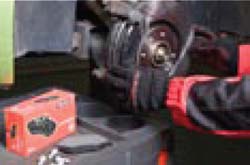 Clear burrs off the brake pad edges if required.
Note: if the pad is not moving freely inside brackets, there will be ongoing light contact with the discs, causing squealing as well as resulting in tapered pads or uneven wear within axle.
>> In certain specific cases (e.g. an old rusted caliper), it is recommended to lightly lubricate the contact points between metal back plate and slides with copper grease according to the Vehicle Manufacturer instruction.
Note: take care that NO grease touches the friction material.
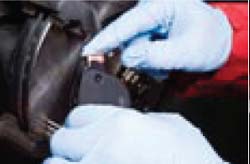
>> Insert, when appropriate, wear indicators in or on the brake pads.
>> Screw in the caliper fixing-bolts.
>> Replace the thread-lock bolts with new ones.
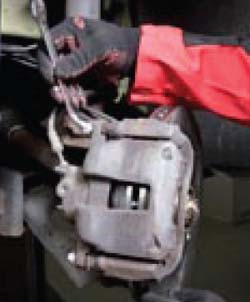
>> Follow the correct tightening torque and sequence recommendations.
>> With the brake caliper reassembled, pump the brake pedal until the stroke is around one third of the full stroke potential.
>> Check that the brake is operating correctly, including pad retraction.
>> Refit road wheel and check for free rotation.
>> If there is free rotation, the vehicle is ready to go back on the road.
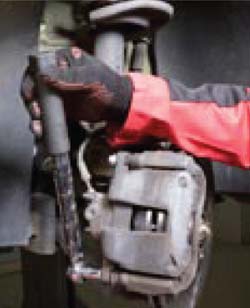
>> Note: Conduct a road test before returning the vehicle to ensure that the brake system is in full working order. When the car is returned to the driver, advise on correct bedding-in procedures to ensure proper brake efficiency.